
INTECH SLOVAKIA s.r.o.
References
INTECH SLOVAKIA s.r.o.
Esi Trebišov s.r.o.
Sustainable 4.0 MW biomass boiler plant for straw combustion with Linka® TWIN technology.
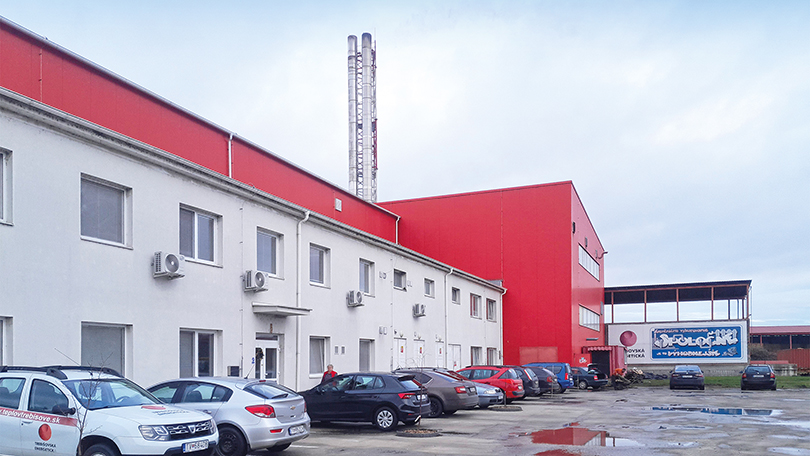
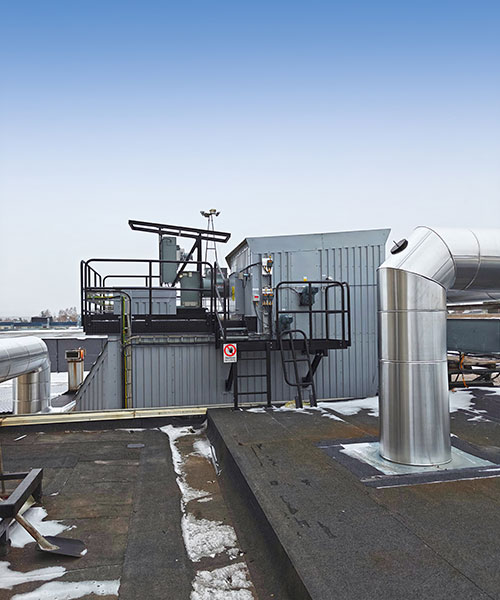
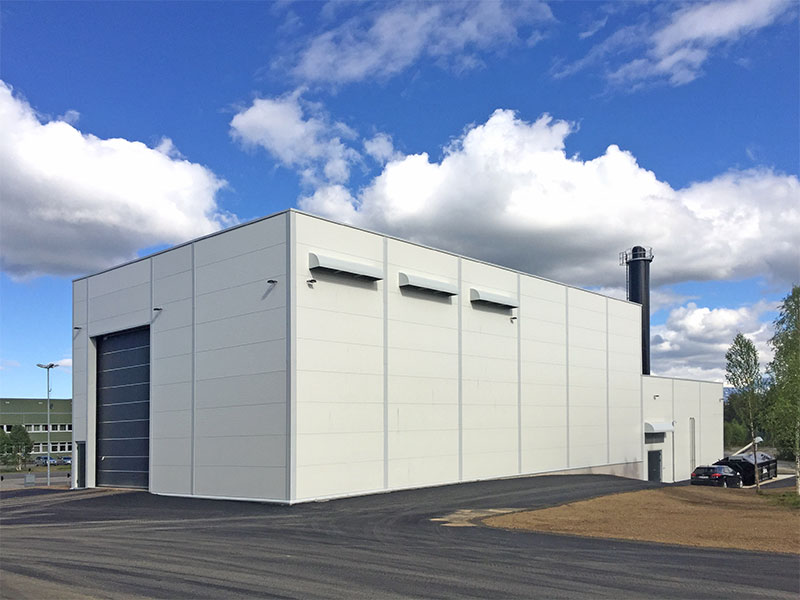
INTECH SLOVAKIA s.r.o., esi Trebišov s.r.o., has invested in a 4.0 MW biomass boiler plant with Linka® TWIN straw handling system to ensure an efficient and sustainable energy supply.
The plant utilises local resources such as straw to reduce CO₂ emissions and dependence on fossil fuels.
With advanced technology, including an economiser and an SNCR system, fuel utilisation is optimised, and emissions are kept to a minimum. This investment supports both environmental responsibility and the need for a reliable energy supply for industrial and local purposes.
Specifications

Want to know more about this project?
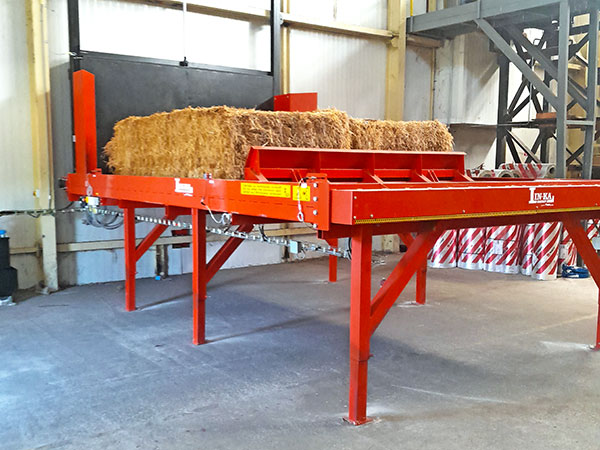
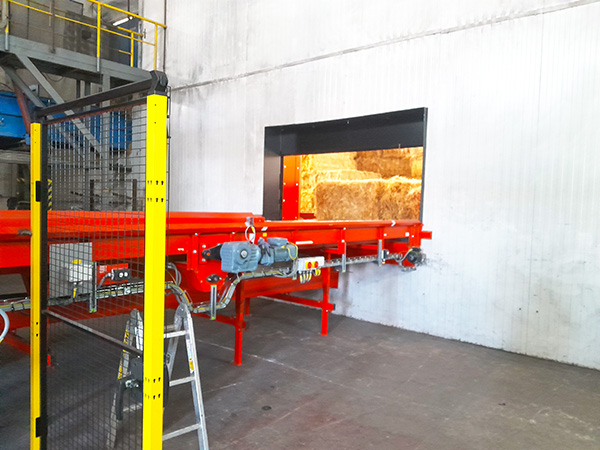
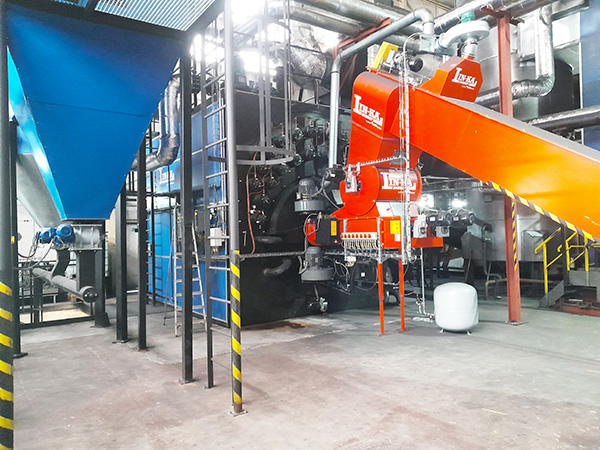
The plant.
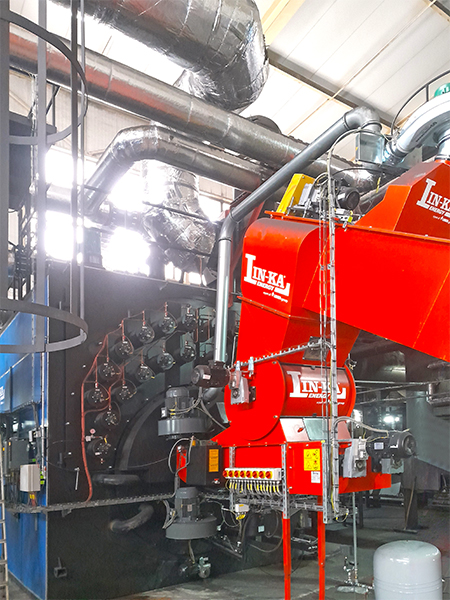
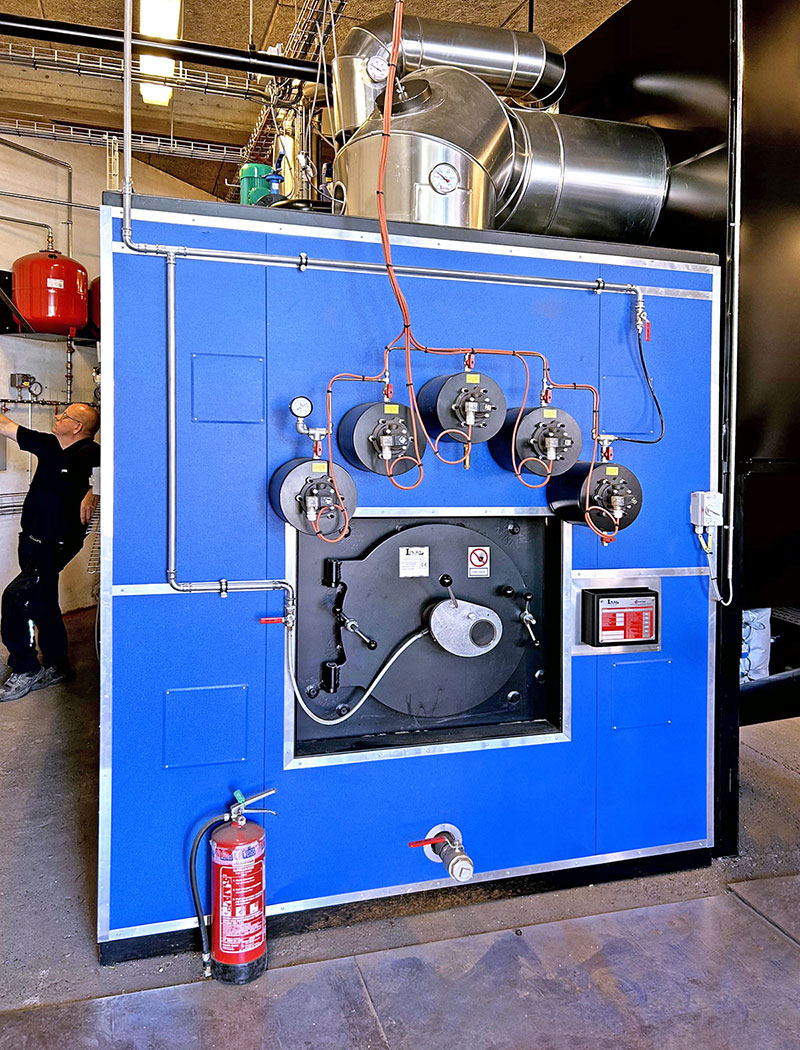
The boiler plant is a Linka® H 4.0 MW hot water boiler, designed to ensure maximum utilisation of the straw. Additionally, an economiser has been installed with a 2-pass system, which reduces the flue gas temperature from 170°C to approximately 130°C, increasing efficiency and reducing fuel consumption by around 30 kg/h.
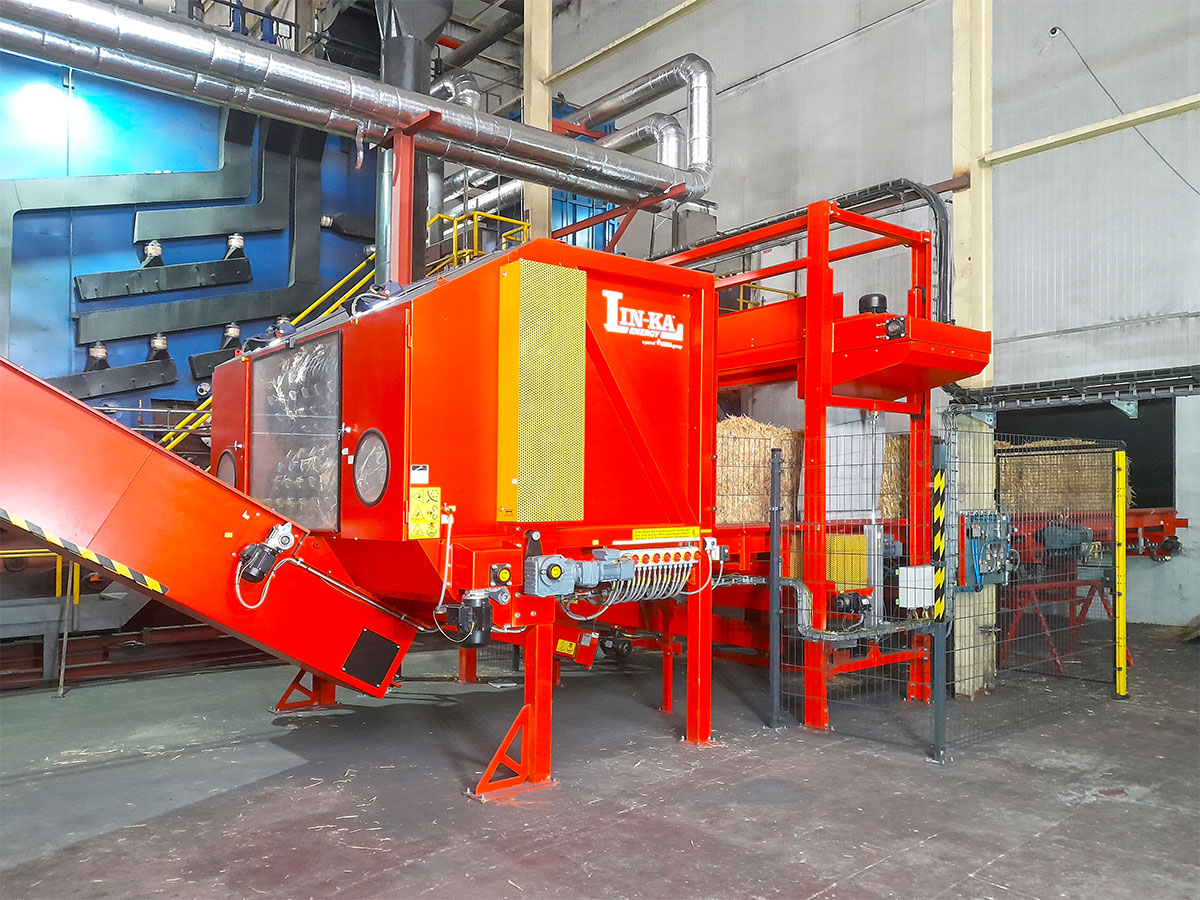
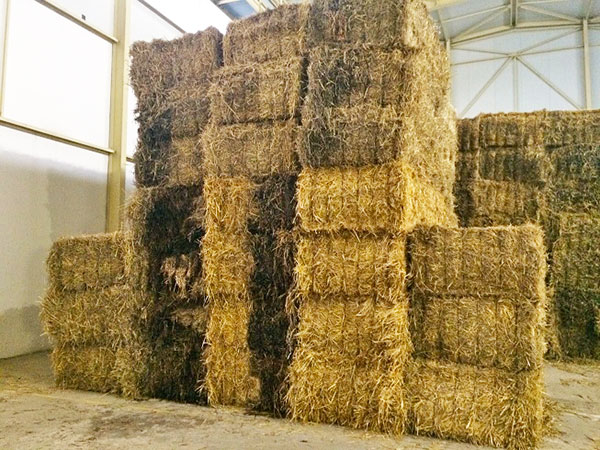
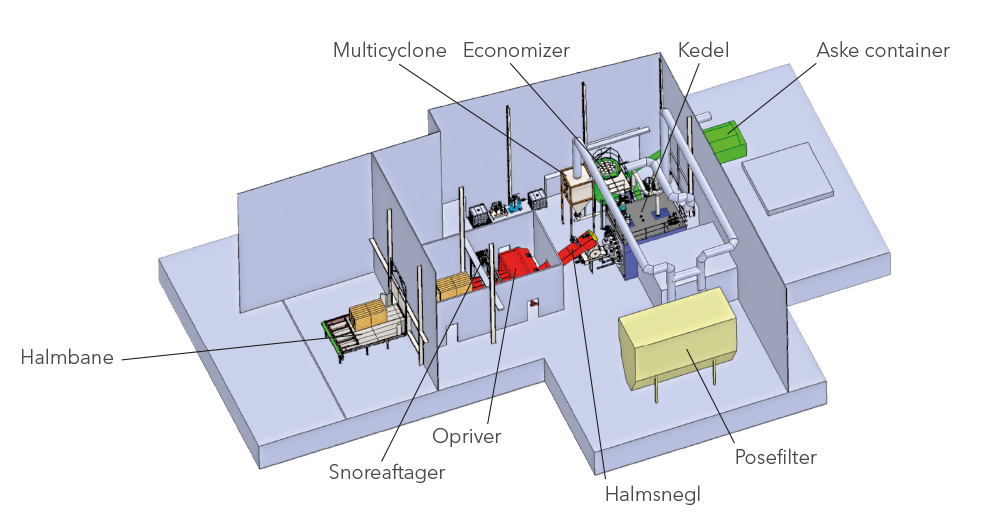
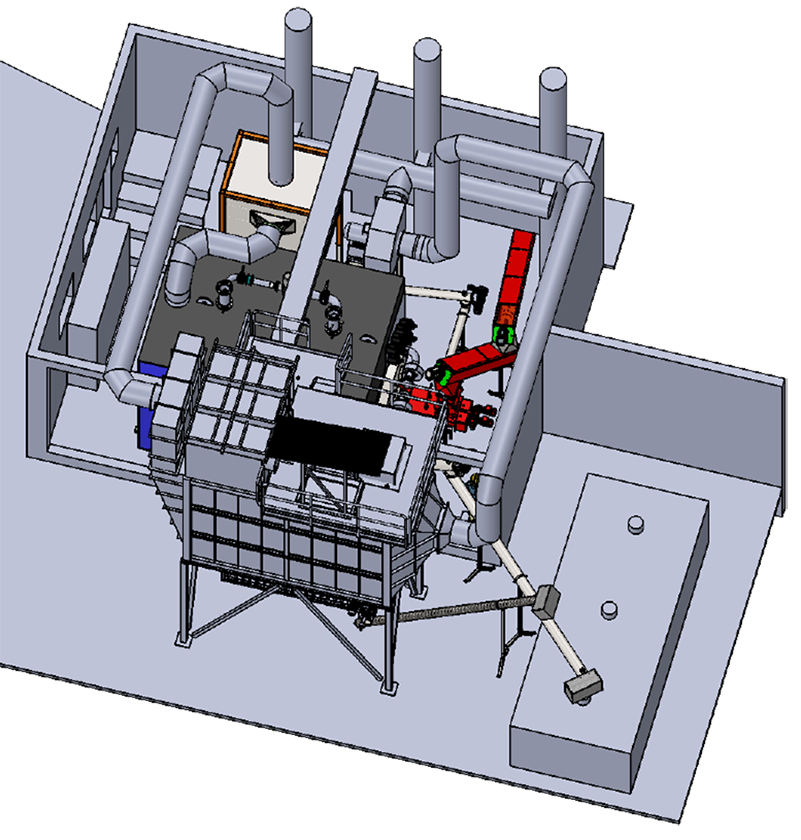
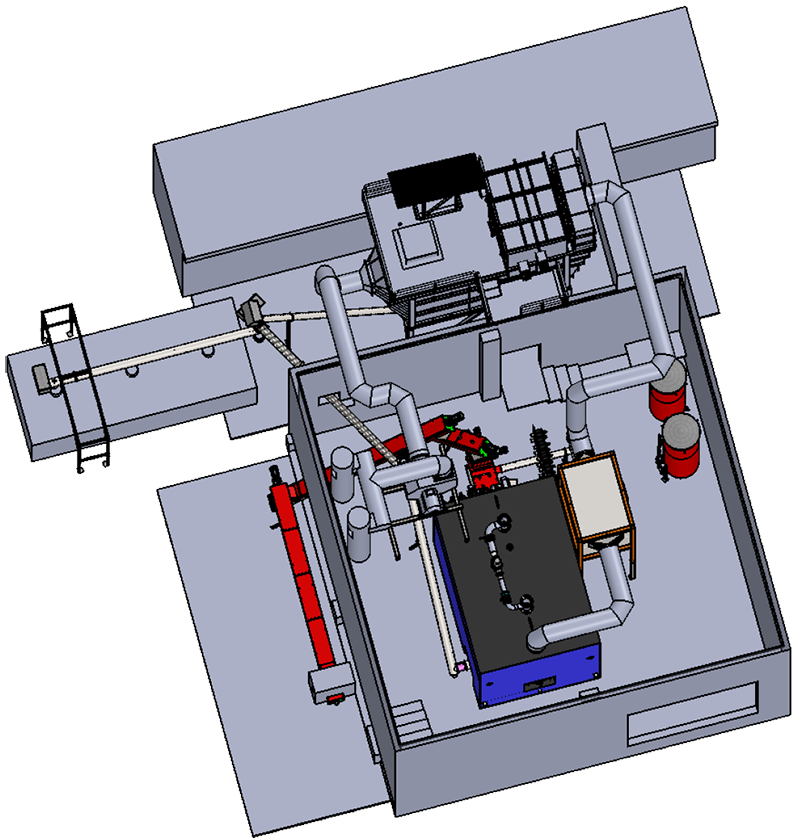
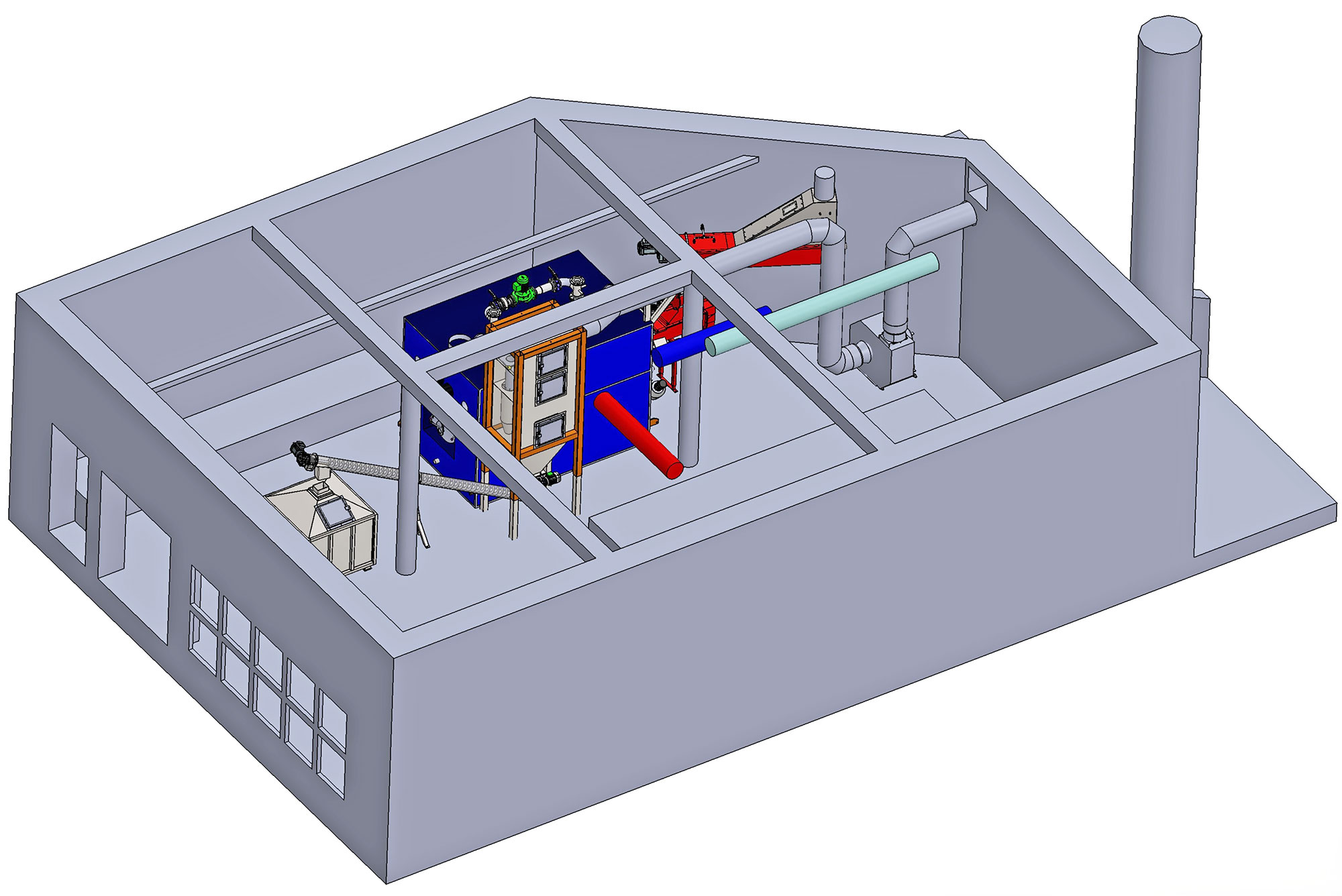
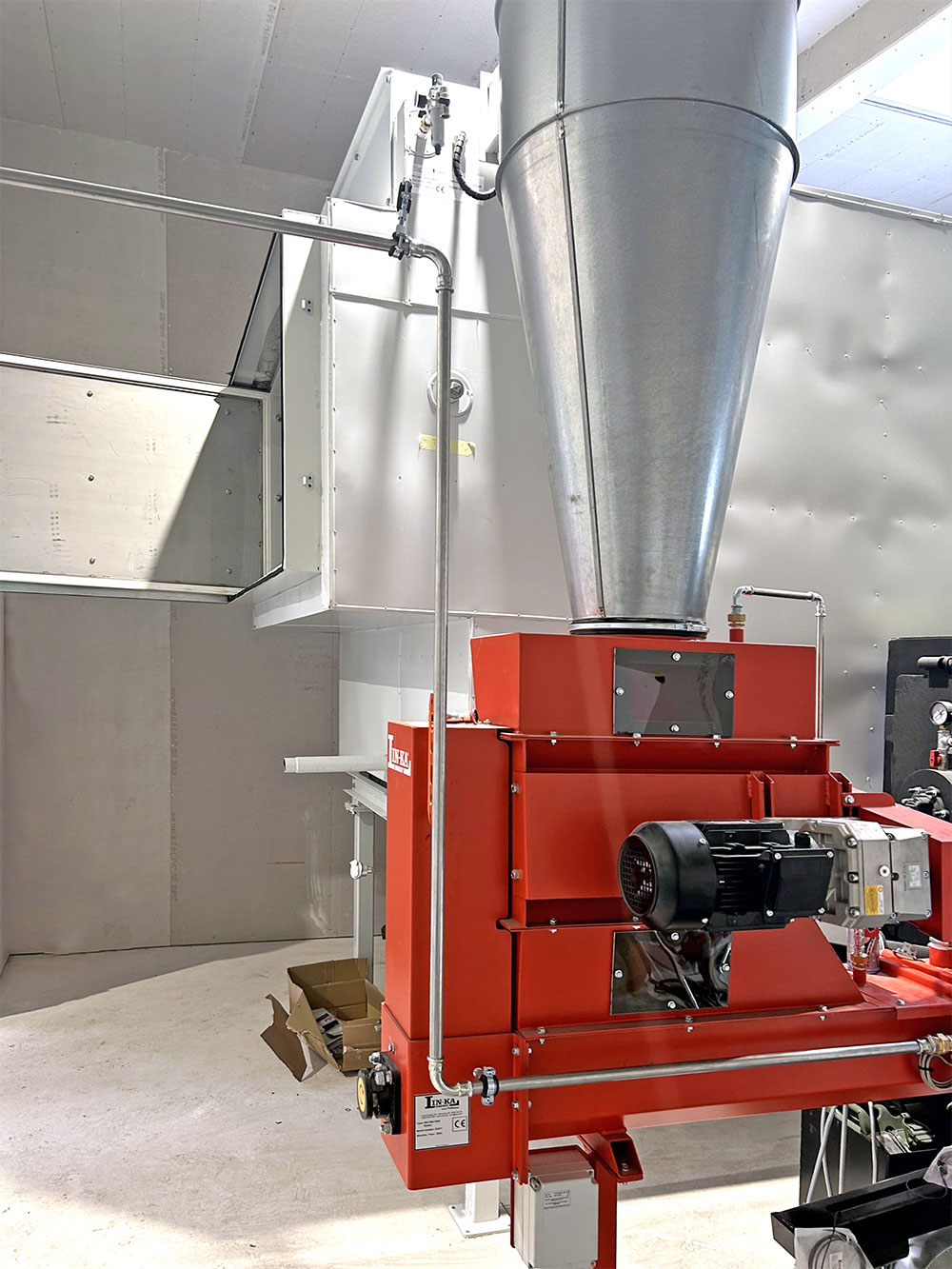
The entire firing process begins at the straw storage, where the existing straw crane delivers a straw bale to a 15-meter-long Linka® straw conveyor belt (including straw table, string remover, and inlet), which then transports the straw to a Linka® TWIN bale breaker that shreds the straw bale.
The straw storage and boiler room are separated by a hydraulic safety door, which only opens when the exposed sensor is “activated” on straw bales. The hydraulic safety door is designed to automatically close in the event of a power failure, using its own weight.
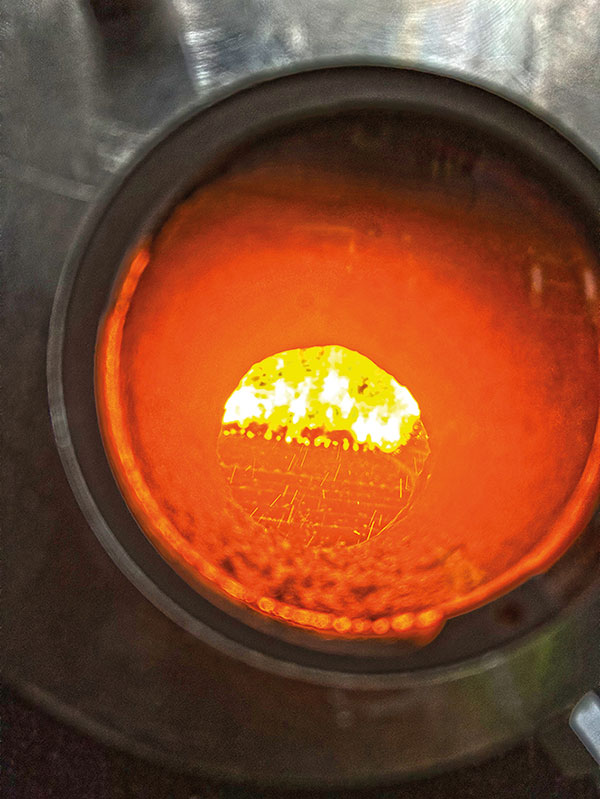
The shredded straw is then fed into the combustion chamber using the double stoker auger, which transfers the straw into the boiler and deposits it on the top grate. A small oil burner is also installed for the automatic start-up of the boiler.
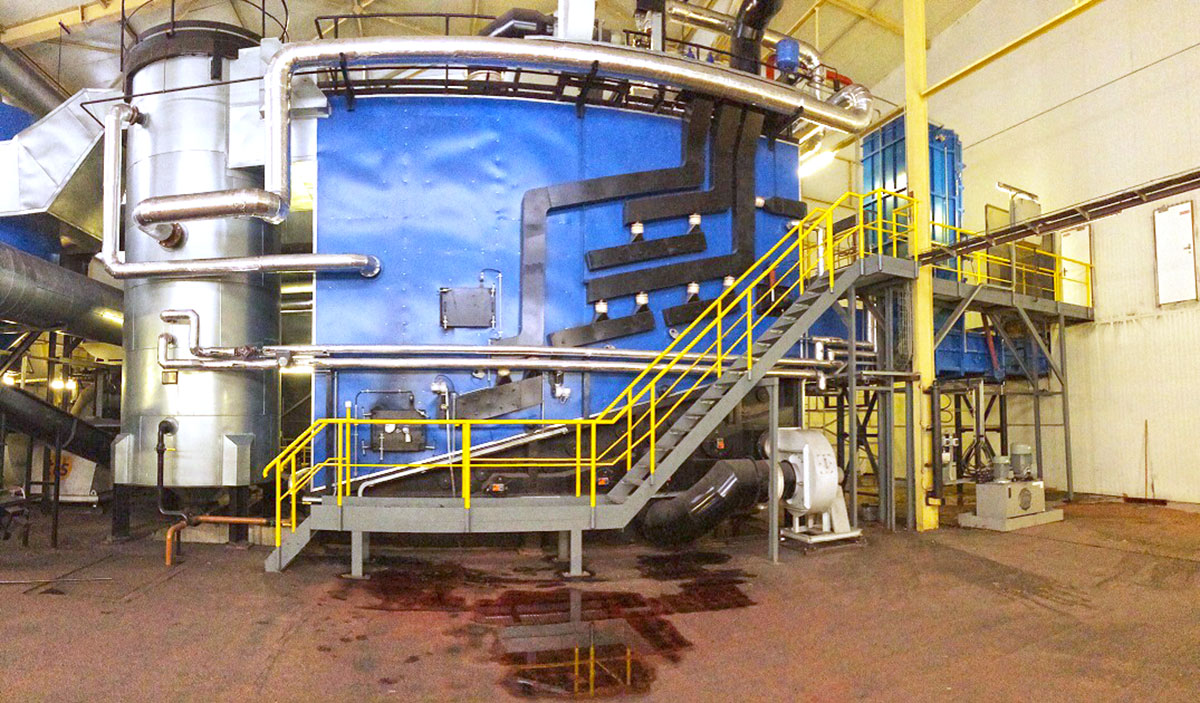
The boiler is constructed with a combustion chamber followed by two-pass flue gas tubes and a reversing chamber, which are kept clean using shot valves located at the front and rear.
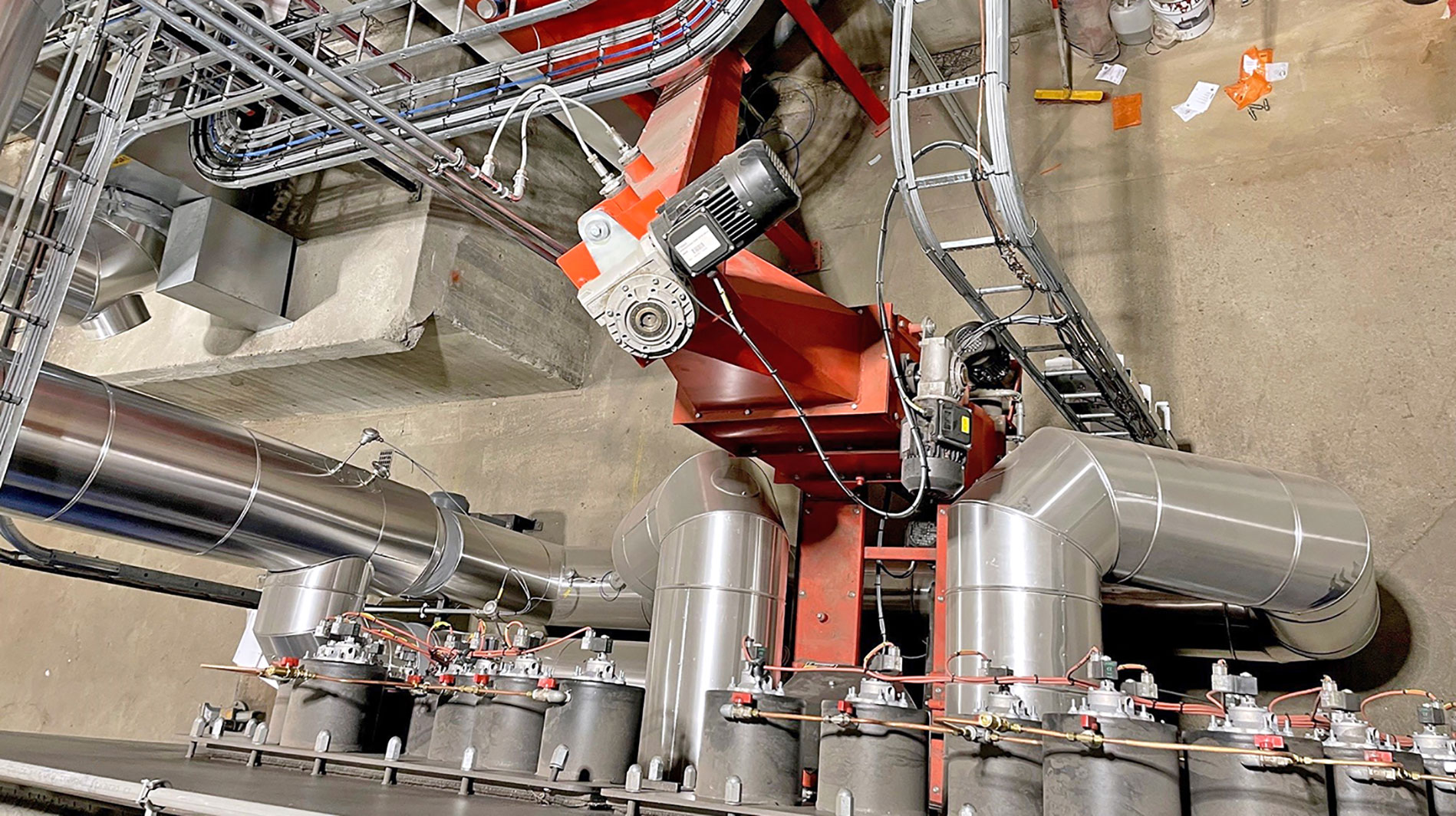
The flue gas is then routed through a two-pass economizer with vertical tubes and shot valves at the top for cleaning. At the bottom, a rotary valve discharges ash into the augers. The shot valves are 5.5-liter Linka® shot valves, type Chokblaster.
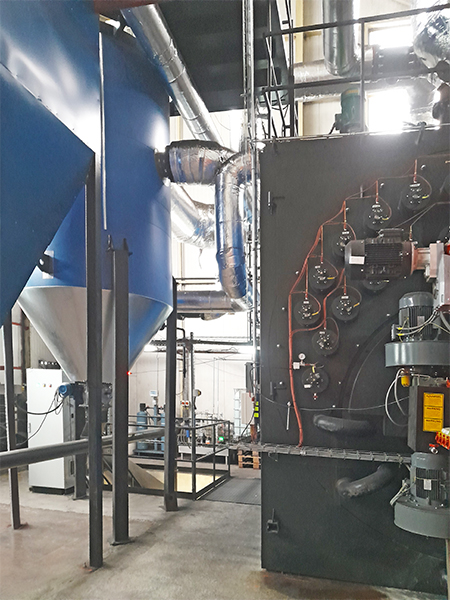
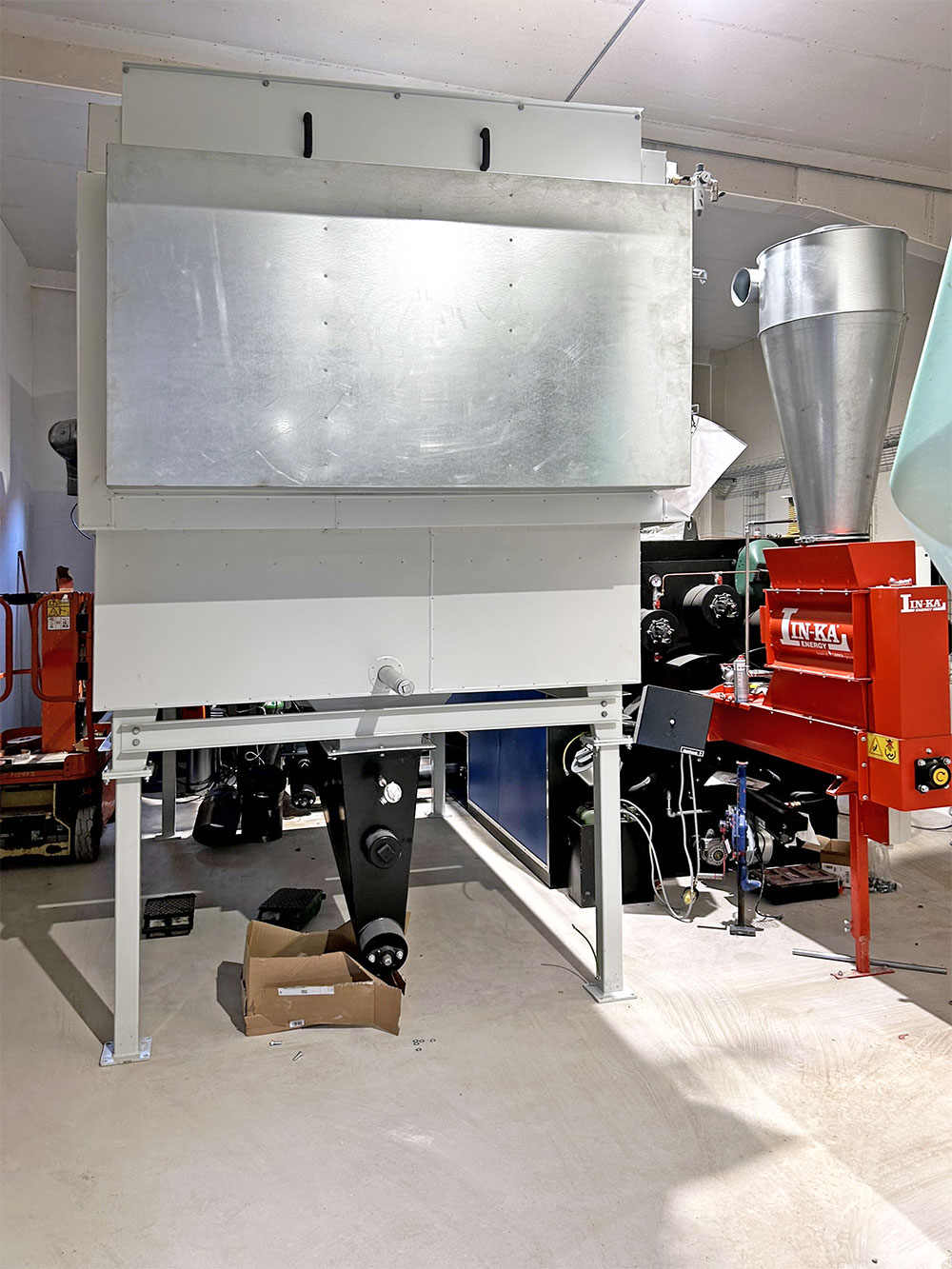
The flue gas from the boiler is directed through a multicyclone, type Linka® 7 x 5, which removes coarse particles. The ash is discharged via a rotary valve into the ash augers. The flue gas is then routed to the existing bag filter, which serves both boilers.
Linka has proven and documented experience with the effective integration of existing components. From the bag filter, the cleaned flue gas is directed to the new flue gas fan before being discharged through the existing chimney. The ash is then transported to an ash container.
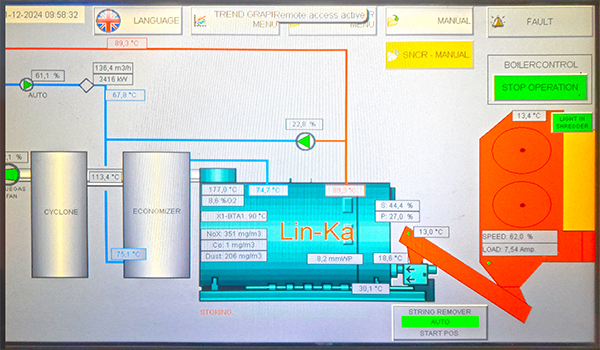
The plant is controlled via a PLC control system that monitors the system and sends alarms via the internet and SMS. It will also be possible to monitor the plant via smartphones, tablets, and/or PCs. The new control system and electrical installations are integrated into the existing plant, with extensive signal exchange between the filter and other components. Although integration can be challenging and space-consuming, Linka Energy always succeeds in this process.
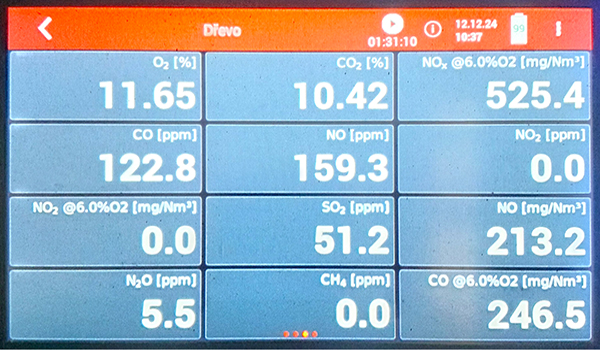
As the emissions requirements have tightened for new medium-sized heating plants in accordance with the Council of Europe Directive 2015/2193 and implemented into Slovak legislation with further tightening in relation to the MCP Directive, an SNCR system was also supplied to ensure compliance with the NOₓ limit value.
Considerable time was allocated to tune this system, keeping AdBlue costs low.
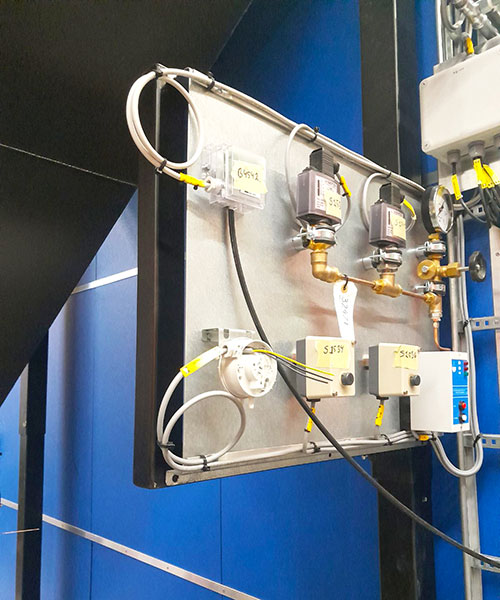
Linka therefore supplied a complete SCNR system, a “stand-alone” NOₓ reduction system consisting of a tank for the reduction agent/media, a standardised pump module for softened water and reduction agent, a process cabinet, injector(s), and control.
Additionally, complete measuring instruments for dust/particulate measurement, type SP, as well as for CO and NOₓ, were provided.
Emission results after commissioning of the plant.
Linka has, after commissioning of the plant, documented to INTECH SLOVAKIA s.r.o. that the boiler performs in accordance with the levels stated below:
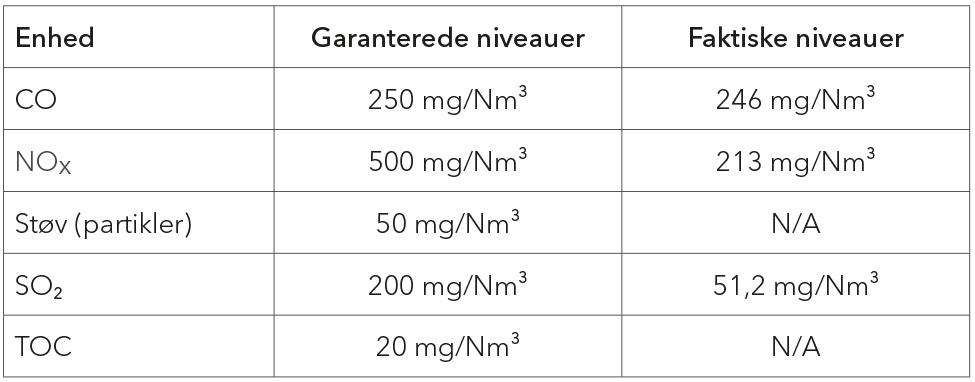
The above measurements were carried out at 6% O₂.
Straw consumption
1,162 kg/h
at 18% moisture.
Efficiency after economiser
92,5 %
at 100% load

Svenska Fönster AB
References
Svenska Fönster AB
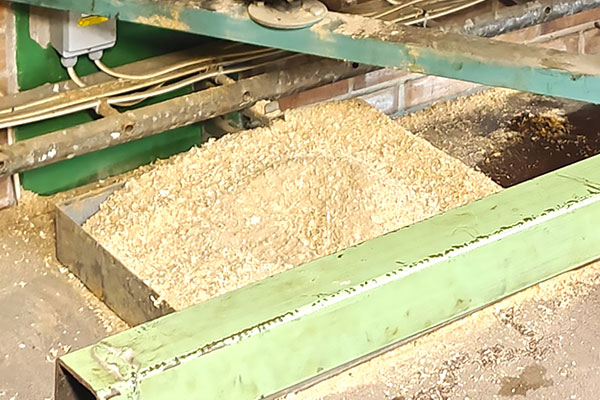
Efficient and environmentally friendly 2 x 4 MW hot water boiler system, recycling wood shavings as a sustainable energy source.
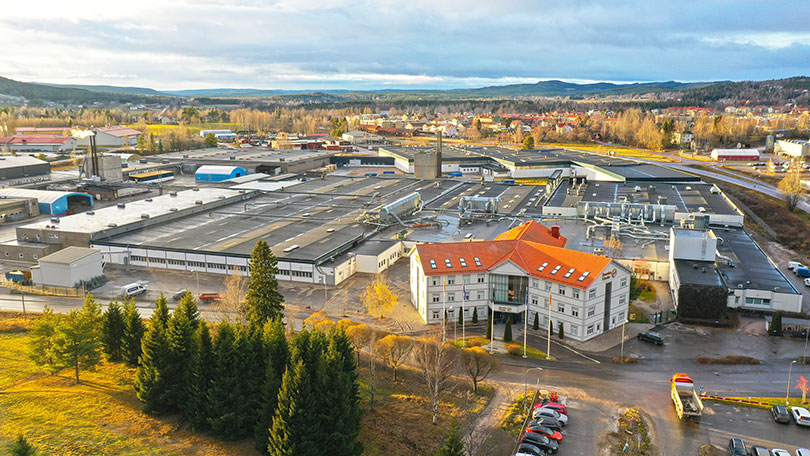
Svenska Fönster is one of Sweden’s leading manufacturers of windows and doors, known for its focus on quality, innovation, and sustainability. The company provides energy-efficient solutions for both private and commercial sectors and is actively working to minimize its environmental impact in production.
In 2024, Svenska Fönster took an important step toward a greener future with its investment in a 2 x 4 MW hot water system from Linka Energy A/S, utilizing wood shavings for combustion. The existing boilers are being replaced with new ones, even in limited space conditions, and Linka’s solution can handle both wood shavings and wood chips separately, as well as combine both fuels in a single program.
The system utilizes production by-products as a sustainable energy source, which not only reduces CO2 emissions but also lowers costs related to waste management and energy consumption.
This investment supports the company’s overall goal of improving energy efficiency and minimizing environmental impact, while also strengthening its position as a responsible and sustainable player in the industry.
Specifications
Want to know more about this project?
The plant.
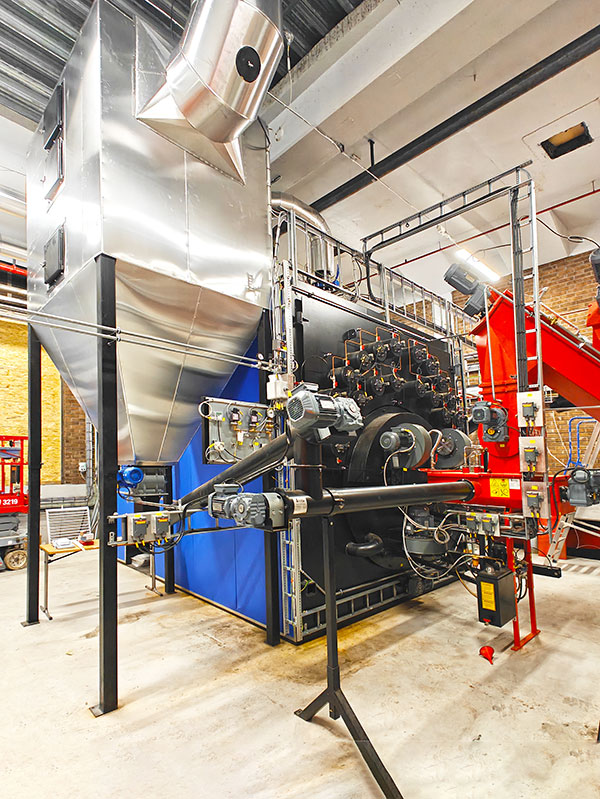
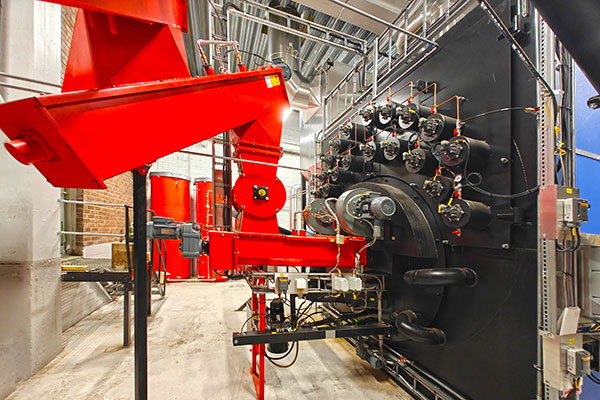
The boiler system, consisting of two 4 MW Linka H cylindrical hot water boilers, is installed in two boiler rooms and is equipped with Linka’s patented combustion technology, ensuring maximum fuel utilization.
The fuel is transported via augers from the existing intermediate storage tank. As part of the delivery, Linka has taken over the control of the customer’s fuel extraction system, which retrieves fuel from both the wood chip silo and the wood pellet storage with a walking floor.
The process is automatically initiated with a signal from the control system once the boiler’s ignition procedure has been started.
In the boiler’s combustion chamber, a moving step grate is installed to minimize slag formation, and the co-current combustion system is Linka’s own globally patented solution.
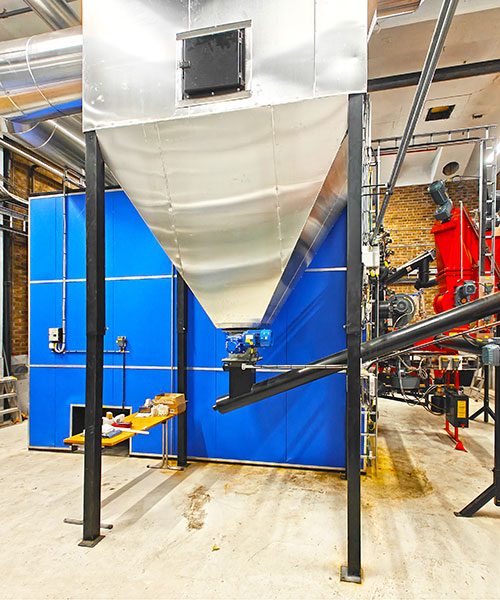
The flue gas from the boiler passes through a Linka© multicyclone, type 6 x 4, and then continues to an electrostatic precipitator (ESP), which cleans the flue gas, significantly reducing dust emissions before it is discharged through an existing chimney.
The ash is then transported to the existing ash container.
The system is controlled via a PLC control system, which monitors the system and sends alarms via the internet and SMS. It is also possible to monitor the system via smartphones, tablets, and/or PCs.
A fibre optic cable has been laid alongside the district heating pipes between the central plants, where Linka has connected the alarm system to the customer’s existing system.
The system includes 2 transmission pumps for the connection between the two plants, used to transport heat in one direction, as well as 2 valves to control heat transfer in the opposite direction.
Additionally, 2 distribution pumps with a system shunt are installed at each plant, where the shunt is regulated based on the outdoor temperature.
The system has been upgraded from an open to a closed loop. Linka has provided a pressure holding system and a vacuum degasser for degassing the water.
Jesperhus Resort
References
Jesperhus Resort
Green heating with care: Linka® 800 kW biomass plant ensures stable operation and low CO₂ emissions.
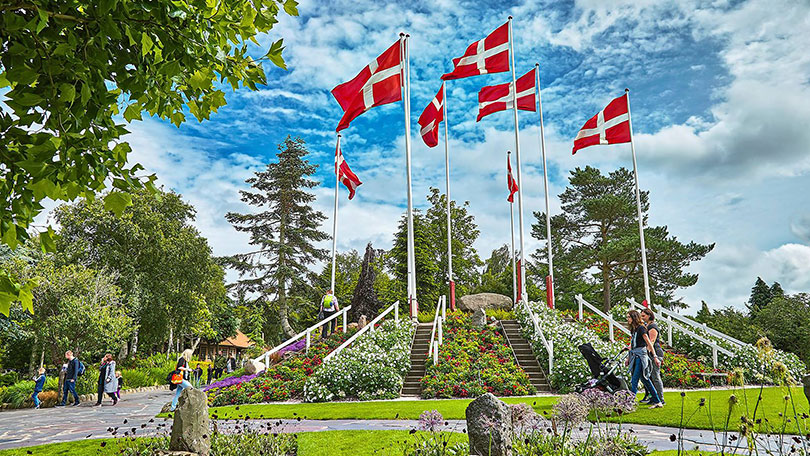
Jesperhus Resort has invested in a new 800 kW biomass plant from Linka Energy as part of an upgrade to its energy supply.
The existing boiler was outdated and inefficient, and replacing it became a natural step in the resort’s transition toward greener and more reliable heating.
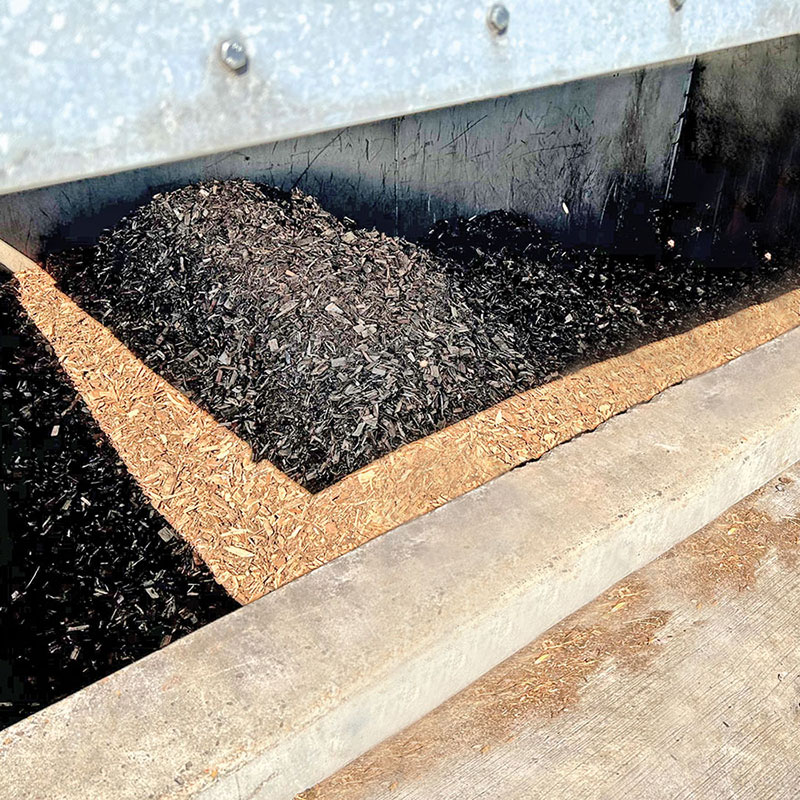
The new system will provide stable heating for the resort’s buildings and facilities all year round. It runs on locally sourced wood chips from Mors, reducing transport distances and CO₂ emissions, while also supporting the local economy and promoting a sustainable energy chain.
The plant is fully automated and continuously adapts to changing heating demands. It requires minimal staffing and is characterised by high efficiency and low emissions.
Biomass is also a financially sound solution, especially considering rising taxes on fossil fuels.
With this investment, Jesperhus strengthens its green profile and secures a future-proof energy supply based on proven technology and local resources.
Specifications
Want to know more about this project?
The plant.
The complete biomass plant was delivered as a complete turnkey solution, in which Linka Energy dismantled the previous 800 kW boiler and installed a new, modern 800 kW biomass system.
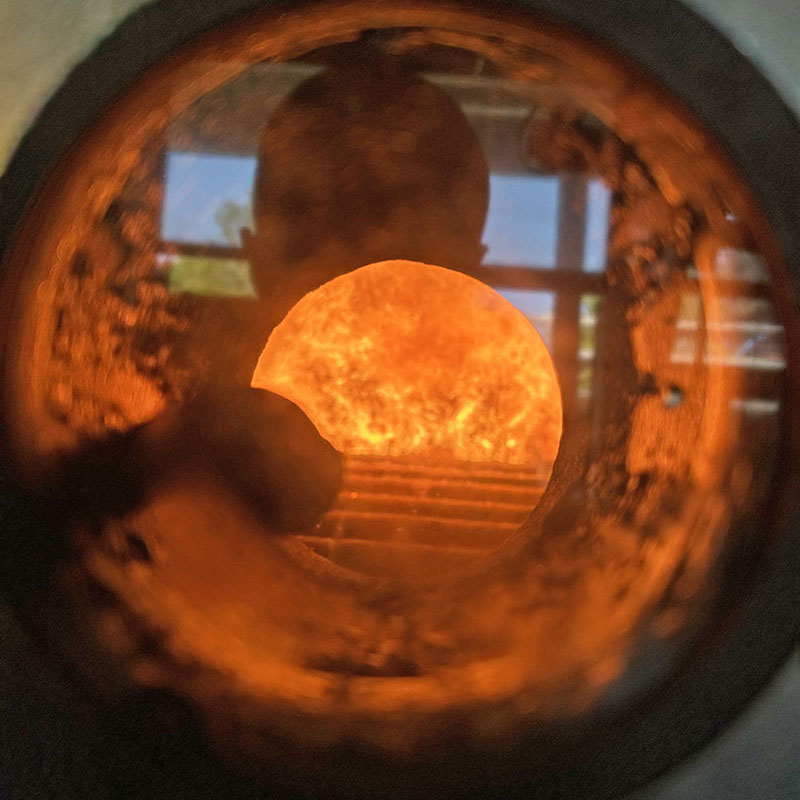
The selected LINKA H hot water plant uses wood chips as fuel and features a cylindrical, three-pass flue tube design, ensuring high efficiency and effective heat transfer. The boiler includes a moving, water-cooled step grate that optimises combustion and reduces slag formation.
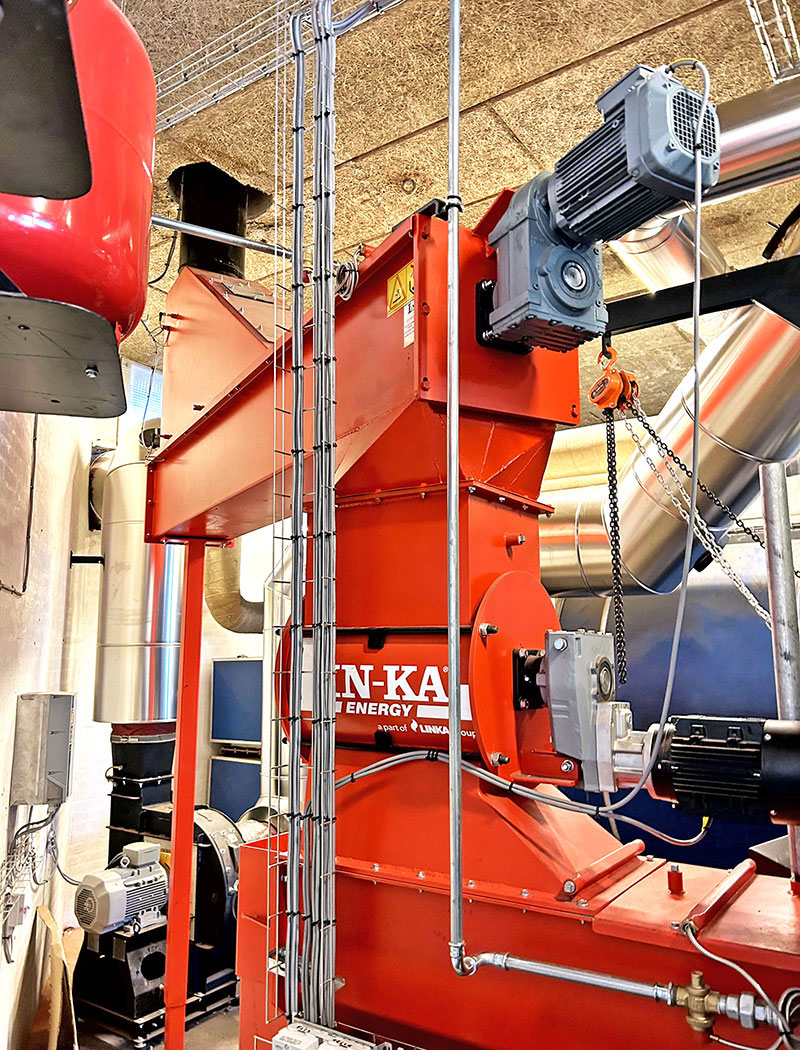
Wood chips are delivered to the existing fuel storage (pit), from which Linka’s automated transport system takes over and moves the fuel via a cell sluice and stoker augers. Fuel delivery is continuously regulated by an oxygen sensor, ensuring optimal combustion and demand-based fuel dosing.
The combustion process is controlled by both primary and secondary air supply, which is automatically adjusted to ensure clean and efficient burning with low emissions.
The flue gas is cleaned in a multicyclone and then directed through a frequency-controlled flue gas fan and up through the chimney. The system is equipped with blowdown valves using compressed air, significantly reducing the need for manual cleaning.
Ash handling is fully automated via an integrated stoker auger system, which transports both bottom ash and multicyclone ash to external containers.
The system is managed via an advanced PLC control unit, with remote monitoring and alarm notifications via internet and SMS. The operations team can access the system from a PC, tablet, or smartphone.

Salling Efterskole
References
Salling Efterskole
Salling Boarding School, known for its commitment to education and community values, is, with the investment in the new straw boiler system, a living example of responsible and sustainable environmental management from the school leadership.
The installation of Linka Energy’s new straw boiler system, replacing the traditional energy source of natural gas in the school, now heats the school’s buildings and provides hot water for both students and staff.
The plant
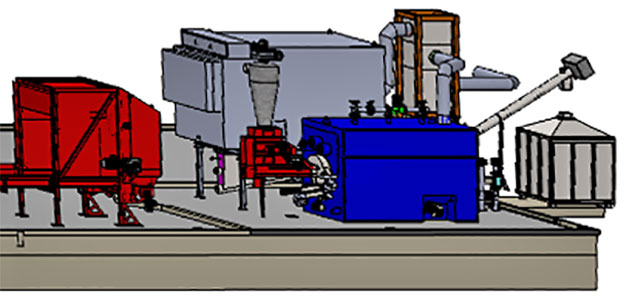
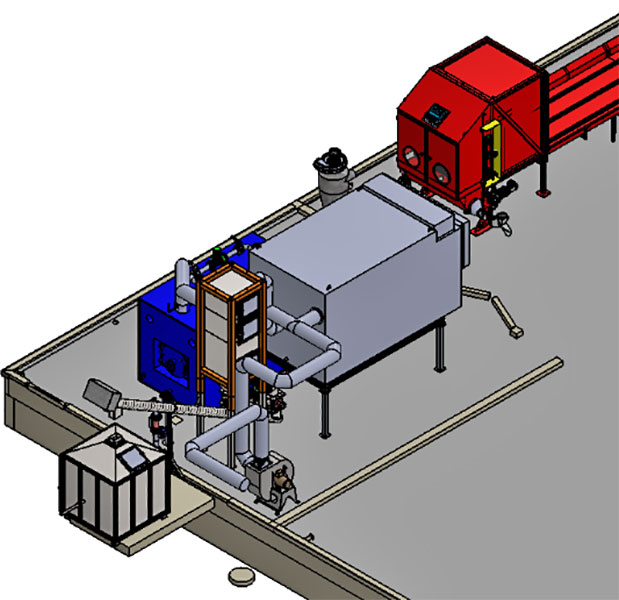
 The brand-new biomass plant, a 400 kW LINKA H 400 model with a hot water boiler featuring a movable step grate and equipped with Linka’s patented combustion technology, ensures maximum utilization of the fuel.
The straw boiler system was established in 2023.
The straw is delivered on an 18-meter-long straw conveyor and transported to a Linka® string remover, type 070, where the reeling drum pulls the straw upwards. Subsequently, Linka’s straw suction system transports the straw to our cell lock, where the straw is fed into the straw conveyor and then into the boiler.
A multi-cyclone and bag filter ensure the purification of the flue gas before being released through the new 12-meter-high steel chimney. The ash system ensures, via ash conveyors and screws, that the ash is deposited in an ash container of approximately 2.4m³.
The control of the system is managed through a PLC control system that monitors the system and sends alarms via the internet and SMS. It will also be possible to monitor the system via smartphones, tablets, and/or PCs.
Product specifications

Want to know more about this project?

AARHUS PROTEIN A/S
References
AARHUS PROTEIN A/S
Complete 5 MW steam boiler for firing with biomass fuel
Aarhus Protein was founded in 2013 and produces plant-based proteins used by international food producers in the production of items like meat alternatives, dietary supplements, high-protein bakery products, as well as feed blends for livestock such as cattle, pigs, poultry, and fish.
Their overarching vision is to make climate-friendly and sustainable plant-based proteins accessible to everyone while also prioritizing environmental considerations and sustain-ability, thus contributing to the circular economic agenda.
Aarhus Protein had previously received steam from their neighbour company for spray drying plant protein slurry. However, as this supply was not sustainable in the long run, they chose to establish their own steam-generating facility, which would be connected to the factory's existing steam supply.
The primary fuel used is wood pellets, but alternatively, it can also include fava bean and sunflower husks, as well as pure olive kernels.
The new steam boiler facility is in the existing warehouse at the corner of Jægergårdsgade/Celebesvej by the harbour in Aarhus (Denmark). Aarhus Protein themselves were responsible for the structural adaptations before the establishment of the new facility.
Overall, Aarhus Protein's goal in setting up the steam boiler facility is to contribute to the process of a sustainable and energy-efficient future within the realm of green transformation.
The plant
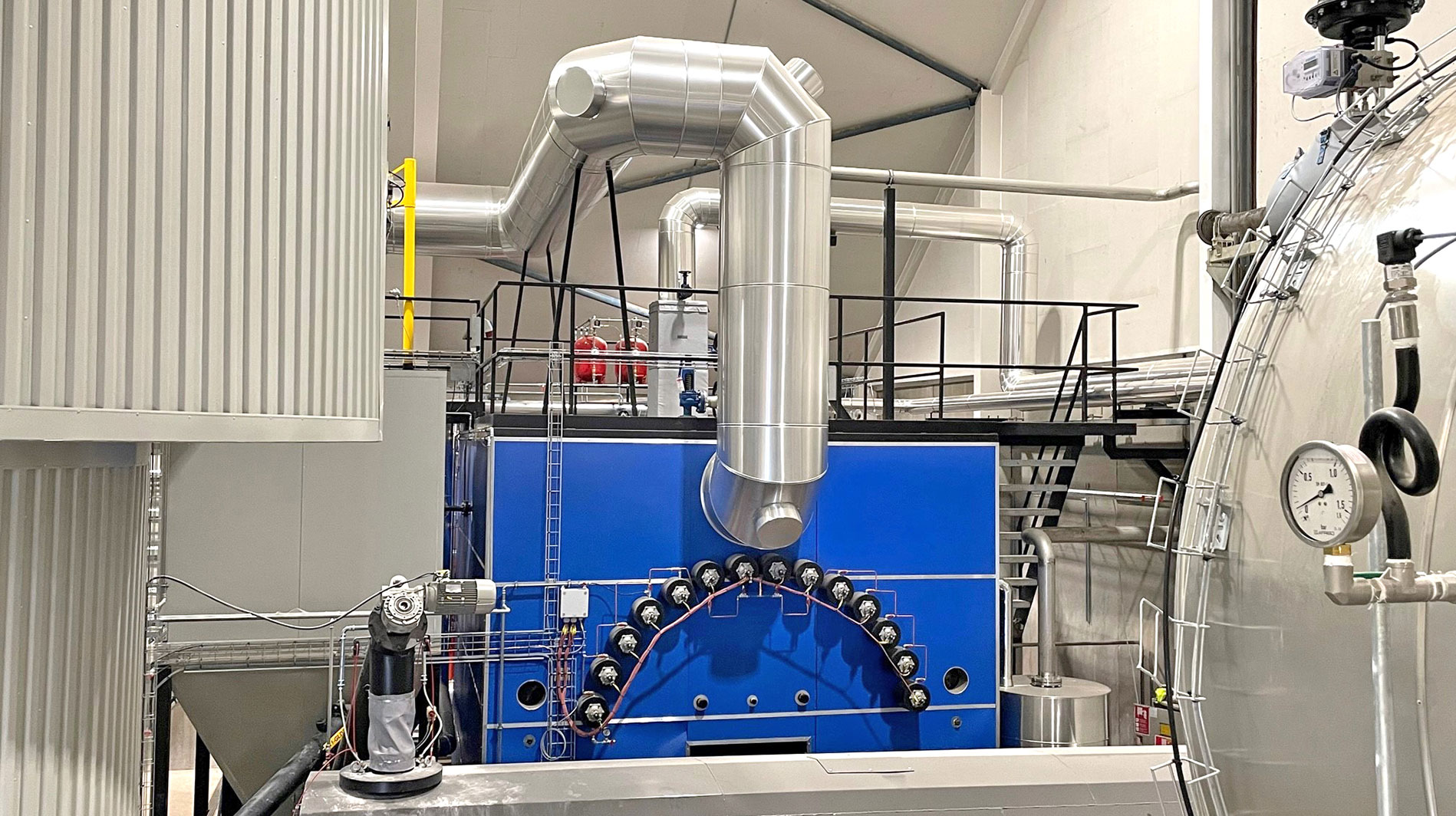
The boiler consists of a 5,000 kW Linka® H Steam boiler, specifically designed for firing with dry biomass fuels such as pellets, straw pellets, and other agricultural waste products.
The pellet boiler is supplied with a steel silo from which the fuel is transported via 2 stoker augers to the intermediate container in the boiler room. From here, the fuel is conveyed by a stoker auger directly to the cell sluice above the stoker auger into the boiler. When steam is demanded, the boiler's firing procedure is initiated. The stoker auger starts and feeds an appropriate amount of fuel into the boiler depending on the steam demand.
The movable step grate, operated by hydraulic cylinders, is divided into 3 combustion zones. Combustion air is introduced through a patented Linka® system in a co-current principle, achieving better efficiency and emission results.
The step grate ends at the rear of the boiler, where bottom ash is discharged. Ash augers beneath the grate ensure the removal of falling ash in the 3 combustion zones, directing it to the same ash discharge as the bottom ash. Ash from the economizer, Multicyclone, and bag filter is also connected to the common ash system and is transported by ash augers to an ash container.
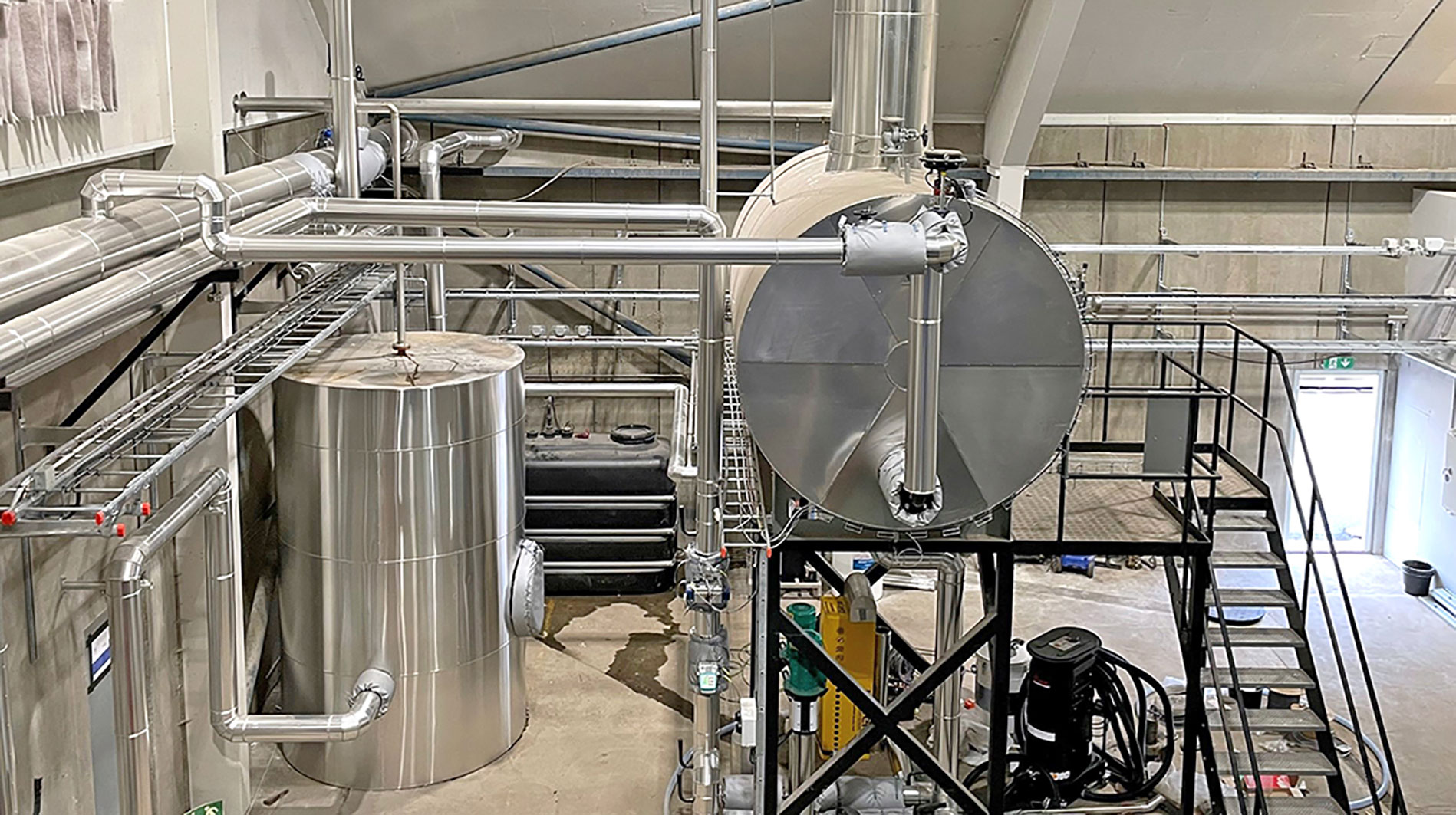
The flue gas system after the boiler includes a 2-pass economizer that cools down the flue gas before it is directed to the Multicyclone. In the Multicyclone, the remaining larger ash particles are separated and collected at the bottom, from where they are conveyed to the bag filter. The bag filter cleans the flue gas through bags, capturing the finer ash and dust particles. The bags are cleaned with compressed air through shot valves, causing the particles to fall to the bottom of the bag filter. A mechanical scraper arm leads the particles to the common ash system. The flue gas is now purified before being directed through the flue gas fan, sent to the existing chimney, and released from there.
The control of the facility is managed by a PLC control system that monitors the facility, sends alerts via the internet and SMS, and ensures controlled regulation of fuel supply and boiler operation, always optimizing its efficiency.
Specifications

Want to know more about this project?
Wood pellet consumption
8.700 kg per year
at 8,000 operating hours
Efficiency up to
90 %

The Norwegian Defence
References
The Norwegian Defence
Mobile plant warms the Norwegian soldiers
During 2013 Linka delivered three mobile plants, for the Norwegian Defence, which are installed on three of their bases in the northern part of Norway.
Linka was tasked with delivering three mobile plants for the Norwegian Defence Estates Agency (NDEA), who is responsible for maintaining and renewing properties for the Norwegian Defence.
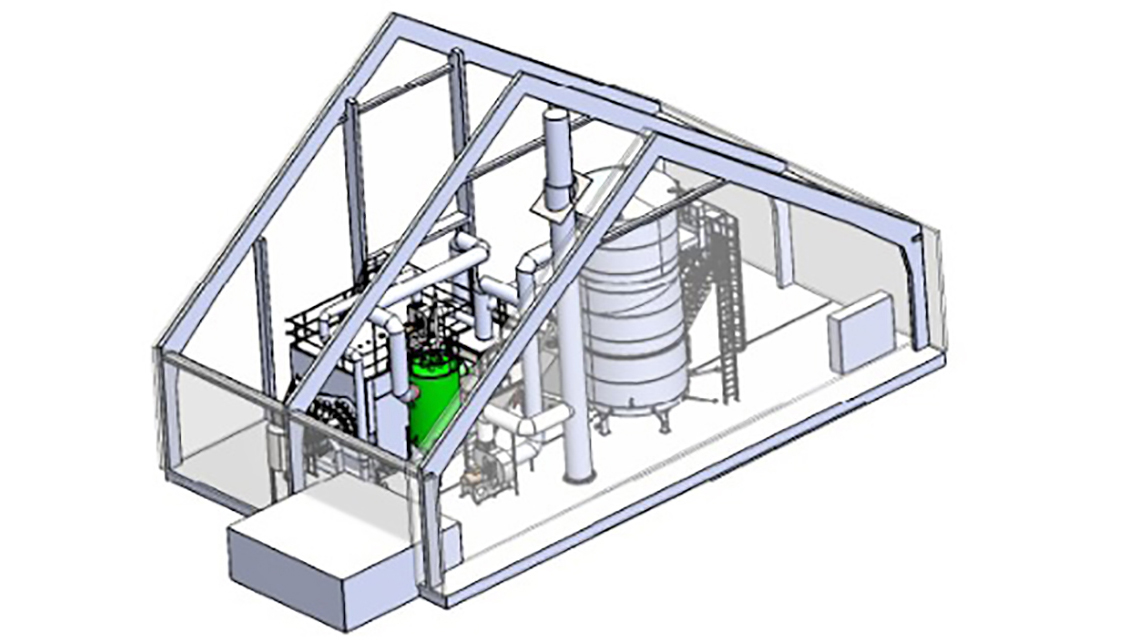
The plants were installed at three different bases in the northern part of Norway in areas with low access. Mobile plants are ideal for these areas, as they are built in containers which are delivered and installed by crane on a prepared concrete foundation.
Camp Höybuktmoen
The mobile plant from Linka ensures heating for the base, which is located in the northern part of Norway bordering Russia. The base is home to the border defence who are tasked with surveilling the Norwegian-Russian border.
A 3,000 kW biomass boiler is the primary source of heating, with a 4,500 kW oil boiler as back up. Both are placed in the first of two containers. The wood chips storage is placed in the other container. A scraper unit with six scrapers is installed and from here the wood chips are transported to the boiler container. The fuel container is built sunken which enables fast and easy refilling of wood chips.
Camps Bodin & Trondenes
The complete, turn-key heating plants in camp Bodin and camp Trondenes both consist of two containers.
The boiler system, with a 2,500 kW hot water boiler and an oil backup, is placed in one of the containers. The boiler is designed for wood chips which is a cheap form of biofuel in Norway.
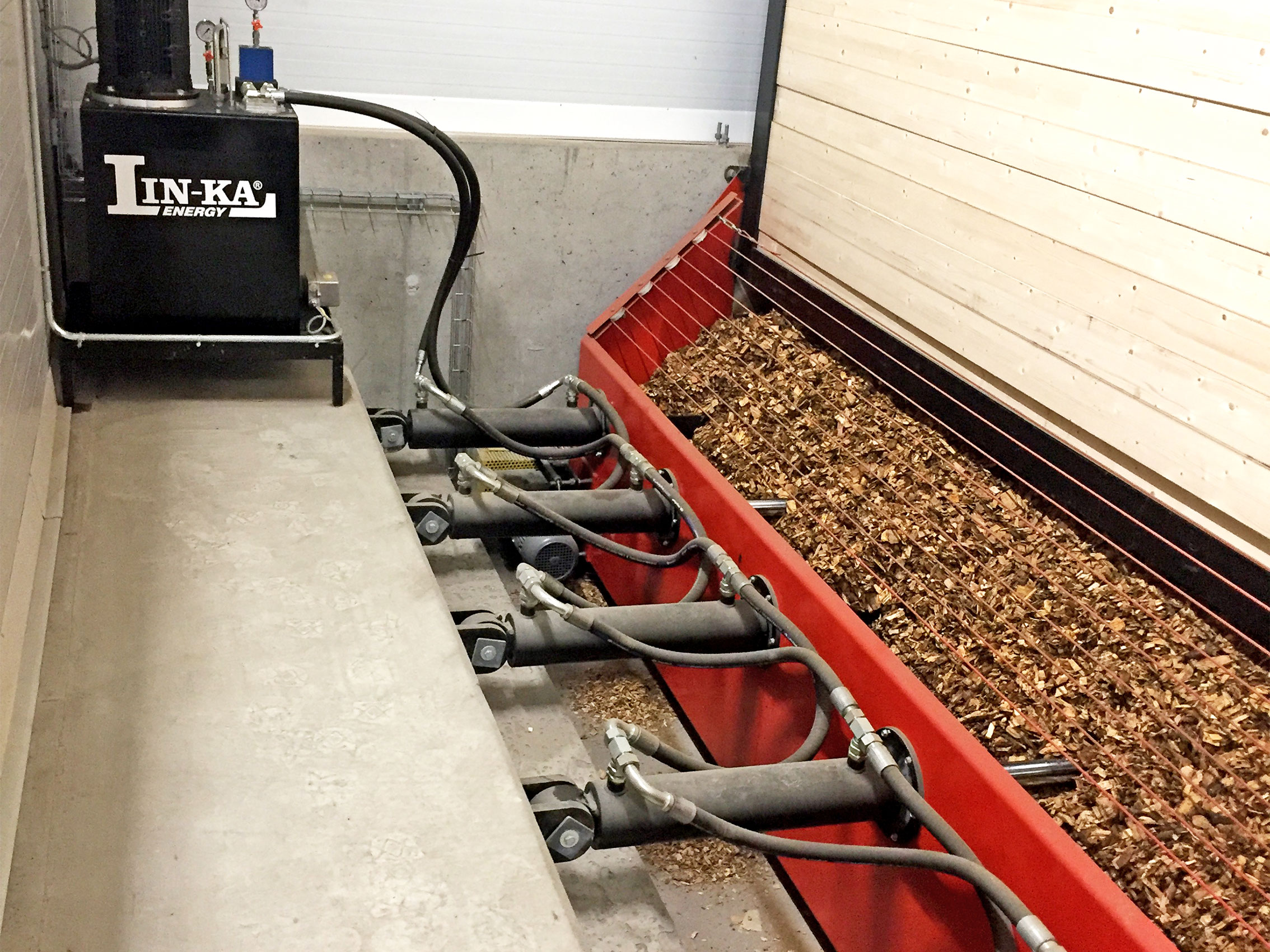
The fuel container consists of a scraper unit, which moves the wood chips from the storage to the augers that transports the wood chips to the boiler. The fuel containers are built sunken, as the one in Höybuktmoen.
Specifications
Want to know more about this project?

Tine Meieriet Elnesvaagen
References
Tine Meieriet Elnesvaagen
Change to biofuel reduces CO2 emission
TINE is Norway’s leading supplier of dairy products with more than 30 local dairies across Norway. One of these is located in Elnesvaagen in central Norway.
The dairy needs steam for process heating, and earlier they used gas or electricity to produce the necessary steam. By installing a Linka steam plant the dairy can use wood chips instead and hereby reduce their CO2 emission significantly.
TINE is aiming to reduce their emission of greenhouse gases with 30 % before 2020, by replacing the use of gas and fossil fuels with renewable energy. The new bio plant in Elnesvaagen is part of this objective.
Linka was responsible for designing and installing the complete machine system for the heating plant, which supplies the dairy with heat enough to cover their need for both process and buildings. Every year the dairy uses around 14 million kWh.
The plant
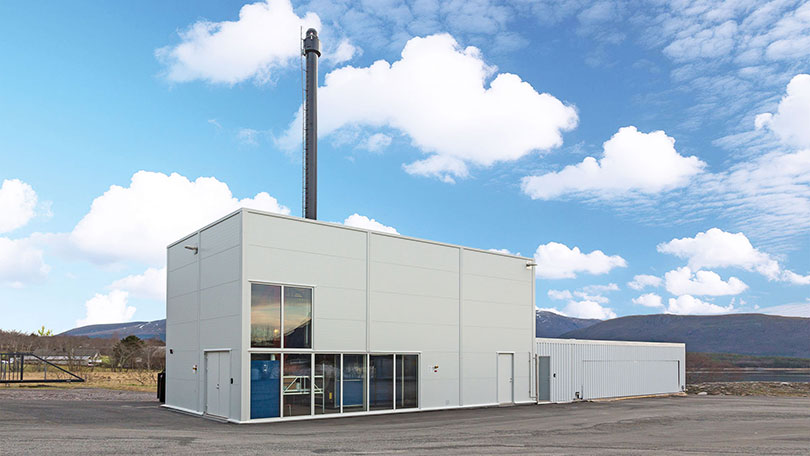
The plant consists of a Linka H boiler, which is here adjusted for producing steam. This operates with a maximum pressure of 10 bars and a maximum operating temperature of 176°C.
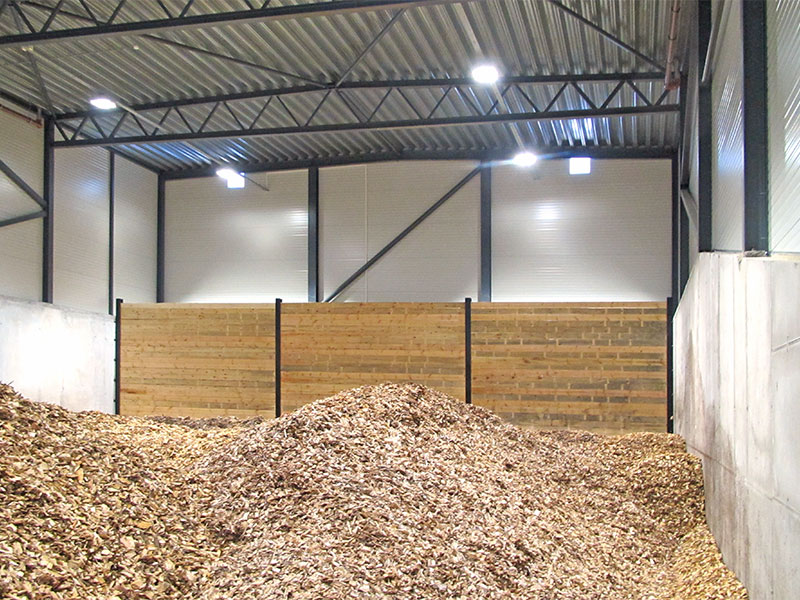
A 400 m3 wood chips storage is built next to the boiler room. A scraper unit with eight scrapers is installed, from which the wood chips are transported to the boiler by auger. The storage is immersed with an electrical roof, making it easy to refill. The yearly consumption of wood chips is expected to be around 20,000 m3, all from local forests.
Since January 2016 the dairy has only used the wood chips boiler, however a gas boiler and an electric boiler from the previous plant are still available as backup.
Specifications
Want to know more about this project?
Reduction in CO2
tons
Reduction in emission per year, compared to the use of oil as fuel.
Steam production
up to 4.5 t/h
Steam production per hour, which is used in the production of dairy products.

”For TINE Meieriet Elnesvaagen this has been an unconditional success.”
Svein Arne Bjørgum
Dairy Manager

Danspin: Sindi Lanka
.
Danspin: Sindi Lanka
Steam from wood pellets is used to dye yarn
The Estonian factory uses the steam from a Linka wood pellet plant in the process of dyeing yarn.
Danspin is one of the world’s largest manufacturers of yarn for the carpet industry. At their dyeing factory in Estonia, Sindi Lanka, the steam from their wood pellet plant is used in the dyeing process.
Earlier the heat came from two gas boilers, but the opportunity for subsidies for biomass led the company to switch to wood pellets. The fuel was chosen as wood pellets are easily accessible in Estonia.
In addition to the plant, Linka was also tasked with water treatment. The use of a steam boiler demands a maximum amount of oxygen and calcium in the water, to avoid damage to the boiler. At Sindi Lanka they use a combination of river and city water, where a varying quality made treatment necessary.
Instead of using silos to store the wood pellets, a pellet pit with a scraper unit was built. The pellet pit offers a higher security of supply from more suppliers, and is it possible to switch to wood chips in the future.
The plant
In the spring of 2016 Linka delivered a 5,000 kW steam boiler, designed for 10 bars and a maximum steam temperature of 184°C. By installing a PLC control system the plant’s operation is constantly monitored. It’s possible to access the plant through an internet connection, which also allows Linka to offer support through remote access.
The boiler is fed from a 70 m2 scraper system where 11 scrapers move the wood pellets to a sunken auger. From here the pellets are transported to the boiler by augers.
By installing an economizer the heat loss is reduced as extra heat is extracted from the flue gas. This leads to higher efficiencies and heating of the feed water.
An automatic ash removal system transports the ash from the boiler to a 12 m3 ash container, placed outside the building.
Specifications
Want to know more about this project?
Steam production
7.5 t/h
The production of steam per hour, which is used in the dyeing process.


The Norwegian Defence
References
The Norwegian Defence
Green, reliable heat for Norwegian military bases
Over the past few years, Linka has delivered five bio- mass plants for the Norwegian Defence. Since 2015 Camp Skjold has used heating from biomass, while the latest plant in Bardufoss was commisioned in March 2017. The Norwegian Defence Estates Agency (NDEA) is tasked with maintaining and renewing properties for the Norwegian Defence. A Linka wood chips plant was installed on two of their bases, Bardufoss and Skjold, located in the northern part of Norway, south of Tromsö. The plant in Bardufoss is the fifth and largest plant Linka has delivered to NDEA so far. This makes us the supplier of all biomass plants to the northern military bases.
Camp Bardufoss
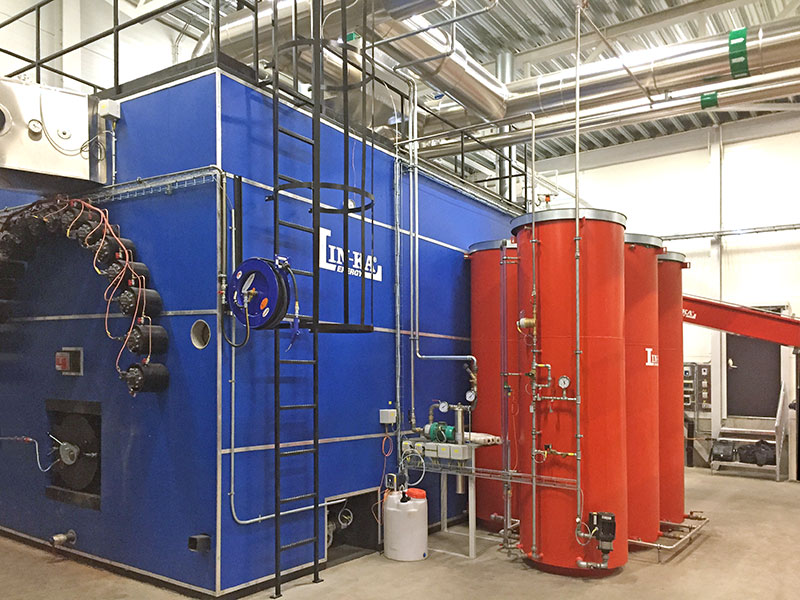
In the future, a 4,300 kW hot water boiler will ensure heating for the Norwegian soldiers that serve on Bardufoss. The boiler is designed for dry wood chips with a maximum of 40 % water. In addition, a 12,000 kW oil backup and an emergency power generator are also installed. A large wood chips storage with a scraper unit is built next to the boiler room. The automatic feeding system ensures a constant, stabile fuel feed for the boiler. 18 scrapers move the wood chips to a sunken auger from which the fuel is transported to the boiler for combustion. The automatic ash outlet transports the ash from the boiler to an external ash container of 20 m3. The wood chips plant is responsible for heating several barracks along with administration and office buildings. They are all dependent on the heat due to the cold northern weather, where temperatures can drop below -40°C.
Camp Skjold
The base is located not far from Bardufoss, and is home to the Norwegian engineering battalion. The base consists of six barracks, several gyms, an administration building and a number of additional buildings. NDEA had a 3,000 kW hot water plant from Linka installed in early 2015. The plant also consists of a wood chips storage with a scraper unit and 18 scrapers. These move the chips to a sunken auger, from where the wood chips are transported to the boiler. In addition, a 5,500 kW oil boiler is installed as backup, in case of failure on the main boiler.
Specifications
Camp Bardufoss
Fuel type: Wood chips
Boiler size: 4,300 kW
Plant type: Hot water plant
Year: 2017
Camp Skjold
Fuel type: Wood chips
Boiler size: 3,000 kW
Plant type: Hot water plant
Year: 2015

Want to know more about this project?

Lahaugmoen Business park
.
Lahaugmoen Business park
Mobile heating for Norwegian industrial park
In April 2017 Linka commissioned a large mobile heating plant in a newly developed industrial area in Norway. Companies and residents in the area are now secured CO2 neutral heating.
Lahaugmoen is a Norwegian industrial and residential area outside Oslo. The area is a former military camp but has now been developed into a business park with around 43,000 m2 industry and 500 commuter housings. The area is expected to double in size within the coming years.
Along with our Norwegian partner, Bioenergy, Linka has built the entire mobile plant. Bioenergy now owns and operates the plant.
The plant container, including boilers, plumming and electrical installations, was built at Linka’s production facilities in Denmark before being shipped to Lahaugmoen to be commissioned. This way, the plant is operational quickly after arriving at the construction site.
The plant
The mobile plant consists of a 4,000 kW Linka H boiler designed for wood chips. In addition a 6,000 kW backup oil boiler was also installed, in case of service on the primary boiler.
Since the plant will be burning wood chips with up to 40 % water, a lot of water evaporates during combustion. Therefore tiles are added in the boiler.
A sunken wood chips pit is built next to the plant container. A hydraulic roof is added onto the pit, enabling an easy and quick refill. A scraper unit with eight scrapers move the wood chips to a sunken auger, from where the fuel is transported to the boiler by augers.
After combustion the ash is automatically transported from the boiler to a 20 m3 ash container placed outside the plant container.
The plant is also installed with a PLC control system, which sends out warnings in case of operational changes.
Specifications